Commercial buyer guide
Clear answers.
A credible next step.
Every relationship starts with the business opportunity, then product, operations, quality, volume and distribution are aligned around it.
01
Choose the right development pathMove from market opportunity to a tamale program your brand can own.
TAMALÉA by ADESA International supports qualified private-label, white-label, co-manufacturing and co-packing opportunities. Buyers can begin with a proven frozen house formula or bring a commercial brief for custom flavor, masa, size, format and packaging development.
The right path depends on how much differentiation the program needs, the target channel, forecasted volume and launch timing. A white-label route can reduce development work when an existing formula fits. Private-label and custom programs create more ownership but require additional specification, packaging and production planning.
- Established frozen formulas for a faster starting point
- Private-label and white-label evaluation
- Custom flavor, filling and masa development
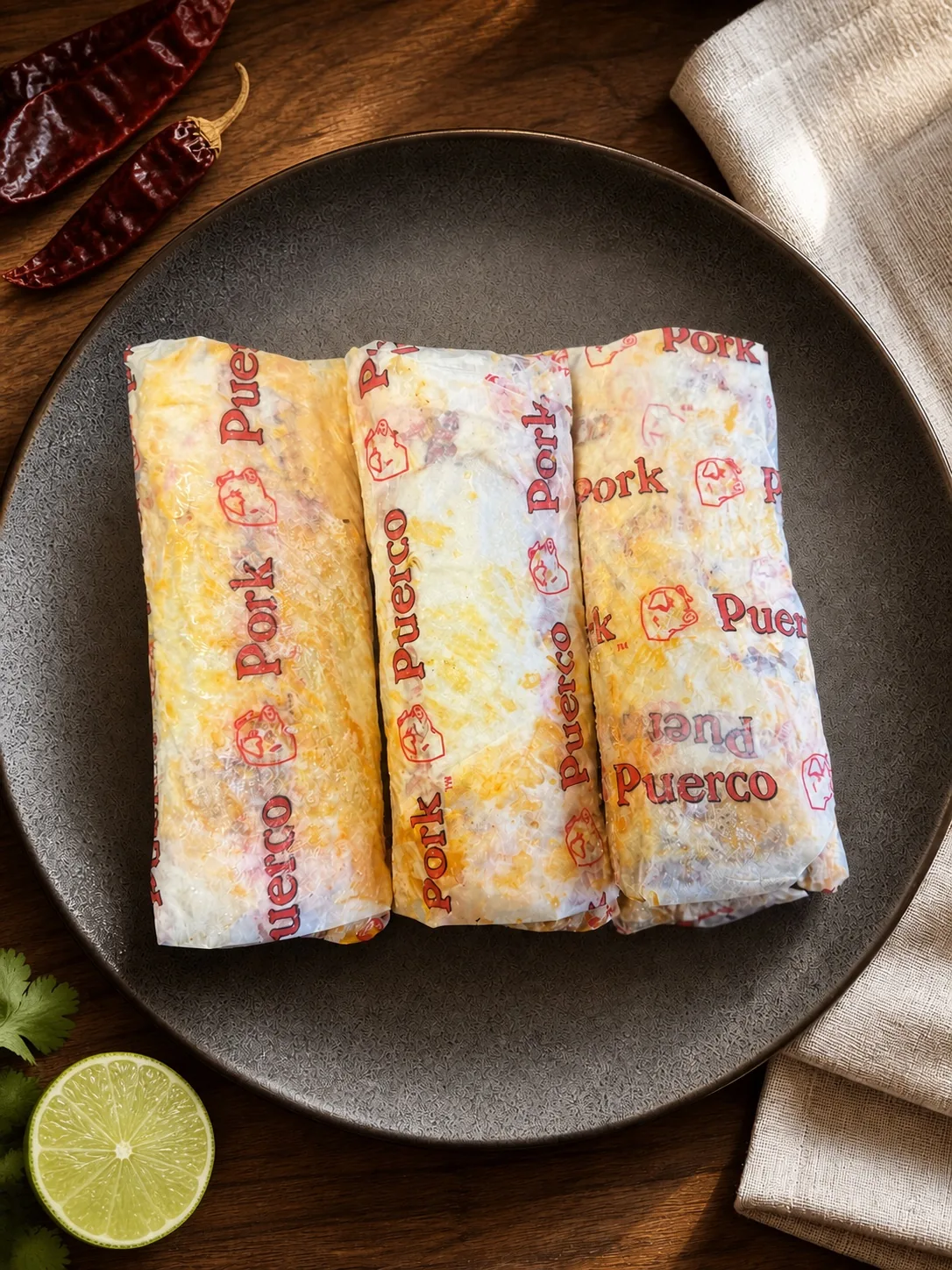
- Bulk foodservice, vacuum pack, tray seal and retail-ready capabilities
02
Commercial R&DTranslate the brand idea into a repeatable frozen product.
A successful tamale has to deliver the intended flavor and texture after production, frozen storage, distribution and preparation. ADESA evaluates the relationship between masa, filling, chile, seasoning, unit weight, packaging and the buyer's actual service or retail environment.
Bring the team a target customer, benchmark, ingredient direction, dietary brief, intended price position and preparation method. From there, ADESA can define the development questions, sample path and commercial feasibility work needed before a production commitment is made.
03
Packaging and complianceBuild the product and package as one commercial system.
Packaging affects shelf presentation, case configuration, handling, freight economics and preparation. Foodservice buyers may prioritize efficient case packs and kitchen execution, while retail programs need consumer-facing packaging, approved labeling and a dependable replenishment plan.
ADESA aligns the chosen format with current specifications, applicable food-safety and regulatory requirements, production capability and the receiving needs of the customer or distributor. Final claims, artwork, ingredients, allergens, nutrition information and case details are approved through the commercial process.
04
Qualify the opportunityGive procurement and R&D the information needed to move quickly.
The strongest inquiry includes the brand and channel, projected monthly or annual volume, number of locations, desired product, packaging format, delivery markets, current distributor and target launch date. Minimums, development fees if applicable, sample timing and production timing are confirmed after the scope is understood.
That early clarity protects both sides. It keeps the work focused on a commercially viable product and gives the buyer a realistic path from first conversation to approved specification, packaging and production.