Commercial buyer guide
Clear answers.
A credible next step.
Every relationship starts with the business opportunity, then product, operations, quality, volume and distribution are aligned around it.
01
Central-production fitGive every satellite kitchen the same authentic foundation.
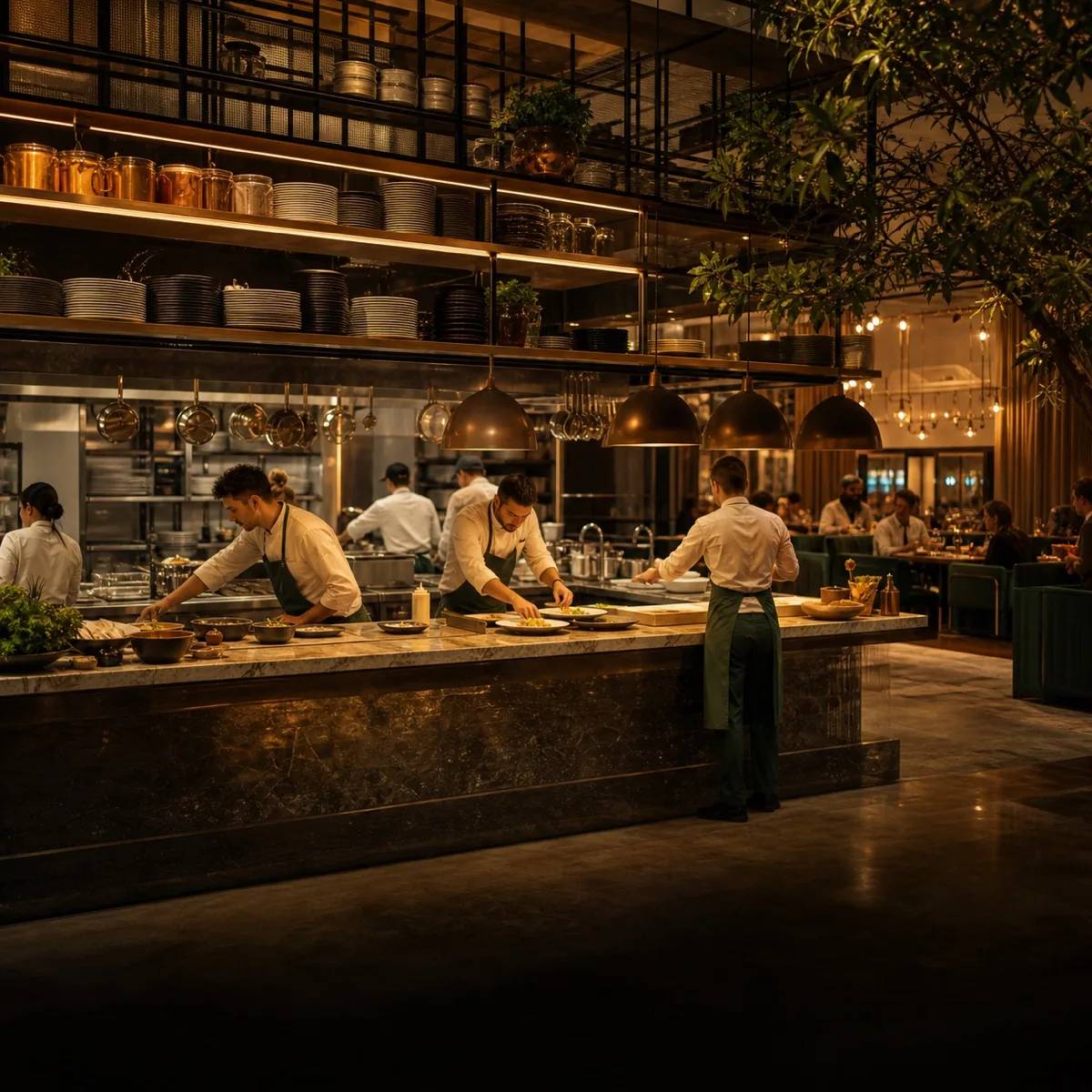
Commissaries and central kitchens need products that can move through receiving, frozen storage, production planning and distribution without creating unnecessary complexity at the satellite location. Frozen tamales offer a portion-controlled platform for restaurants, campuses, corporate dining, hospitality, catering and other multi-site systems.
The strongest program starts with the actual network: the production hub, number of receiving locations, available equipment, service format, weekly movement and delivery model.
- Central production and satellite-kitchen service
- Repeatable portions across multiple locations
- Core formulas and qualified custom development
- Tamale, rice and bean program opportunities
02
Operational disciplinePlan the product around storage, preparation, holding and transfer.
A central-kitchen program must work beyond the tasting table. Product selection should account for frozen receiving, case handling, preparation equipment, holding, transfer to satellite locations, food-safety procedures and service timing.
ADESA supplies approved specifications and current product guidance during qualification so culinary, operations, quality and procurement teams can evaluate the same commercial plan.
03
Qualification and scaleTurn a defined pilot into a dependable multi-location program.
A focused pilot can confirm flavor mix, preparation, hold quality, labor fit and expected case movement before the program expands. Proven results can then support forecasting, distribution and training for additional locations.
Share the central-kitchen model, number of locations, projected case volume, distributor, equipment, service method and launch timing so ADESA can evaluate the right next step.